• SLIDE-homepage

  • Belt Guard's Family of Instruments

    for steel cord and fabric belting
    belt-guard-family-of-instruments

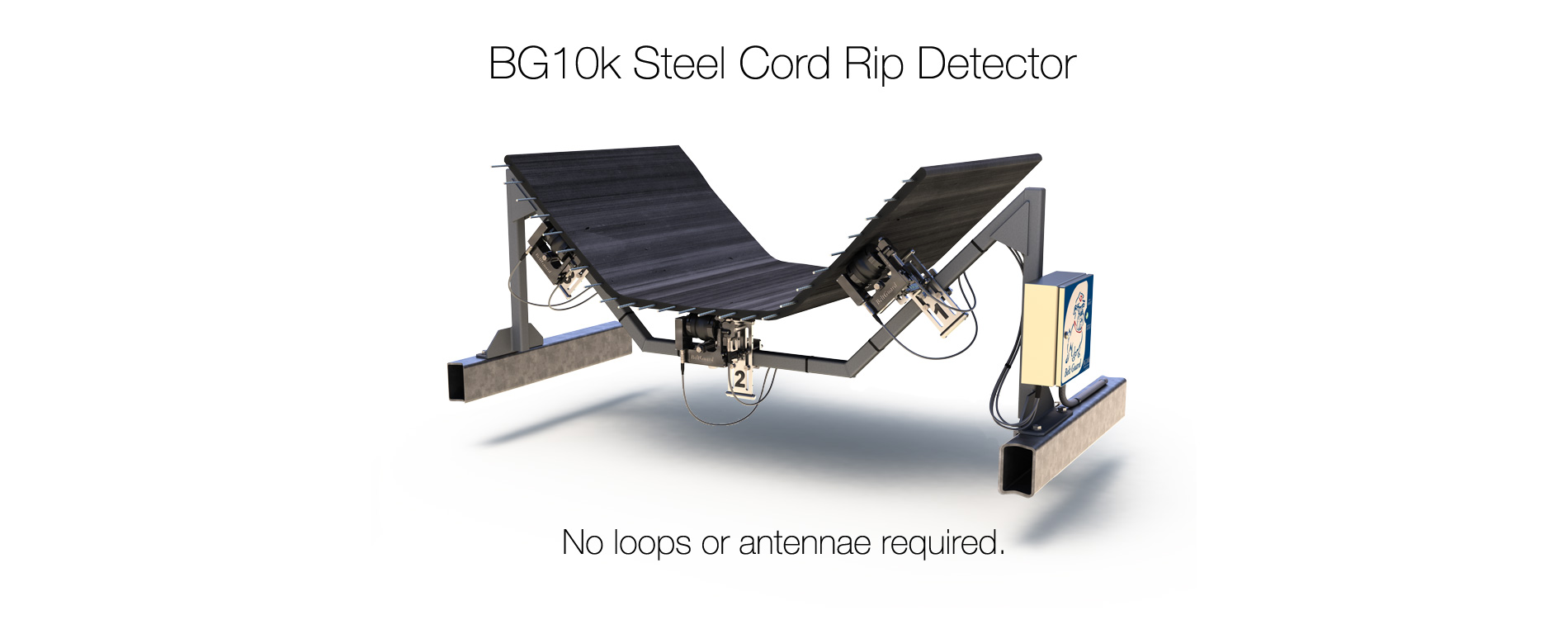
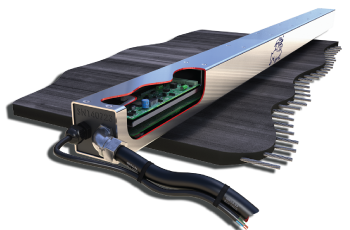
  • belt-guard-10k-steel-cord-rip-detector


    The ALL NEW
    Belt Guard 10k Ultrasonic
    BELT RIP DETECTOR

    for steel cord conveyor belts

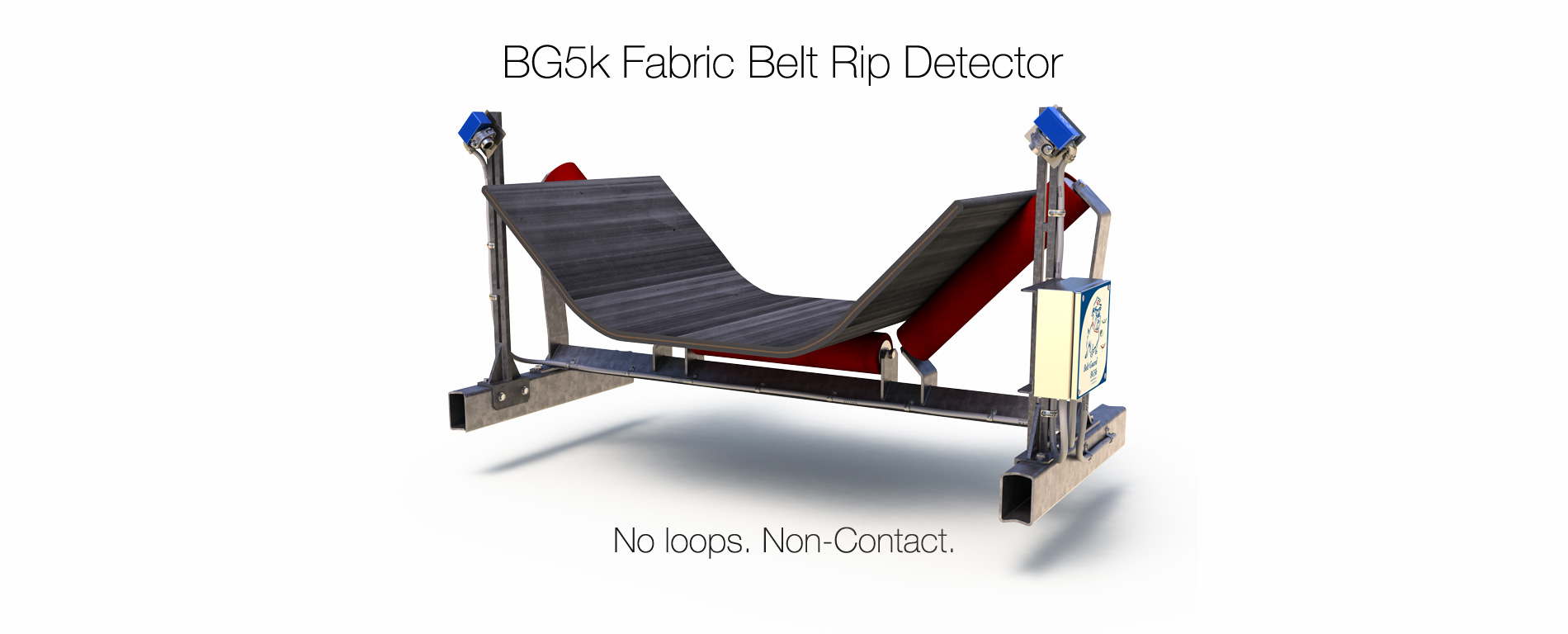
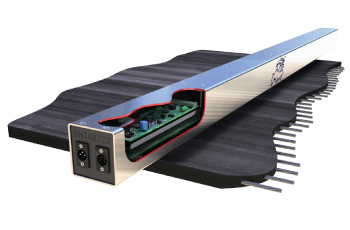
  • belt-guard-5k-Rip-Detector
    Belt Guard 5k

    Fabric Belt Rip Detector

    Non-Contact

    Low Maintenance

    Simple Installation

    Simple Commissioning

    Belt Tracking Software

  • belt-guard-command-centre
    The System Command Centre

    for all Belt Guard Devices


    IP 69K Enclosure

    Full Data & Event Logging

    24/7 On-Line Communication

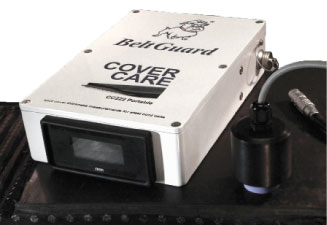
  • remaining-cover-thickness

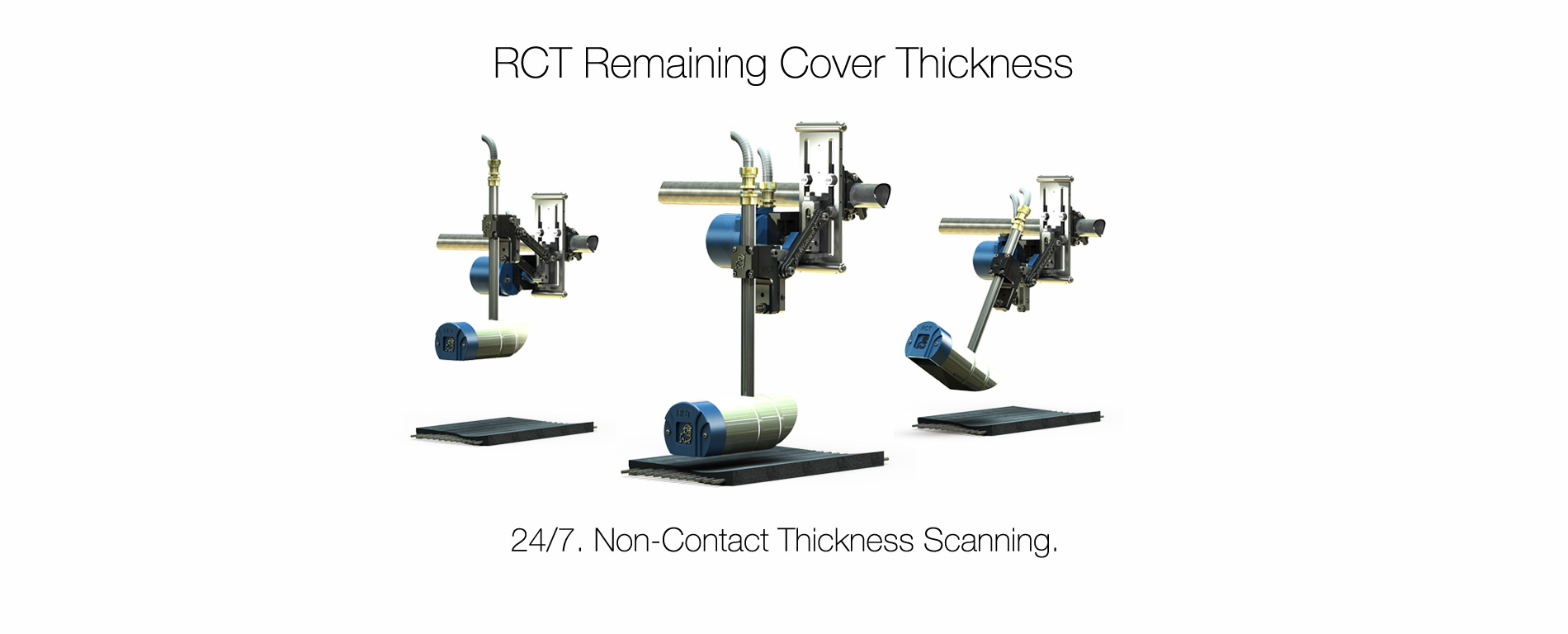
    24/7 Cover Thickness Measurement

    for steel cord belting

    True remaining Cover Thickness, not just profile!


    Permenantally Installed
    On Demand Data Download
    Automatic Deployment
    Totally Non-Contact

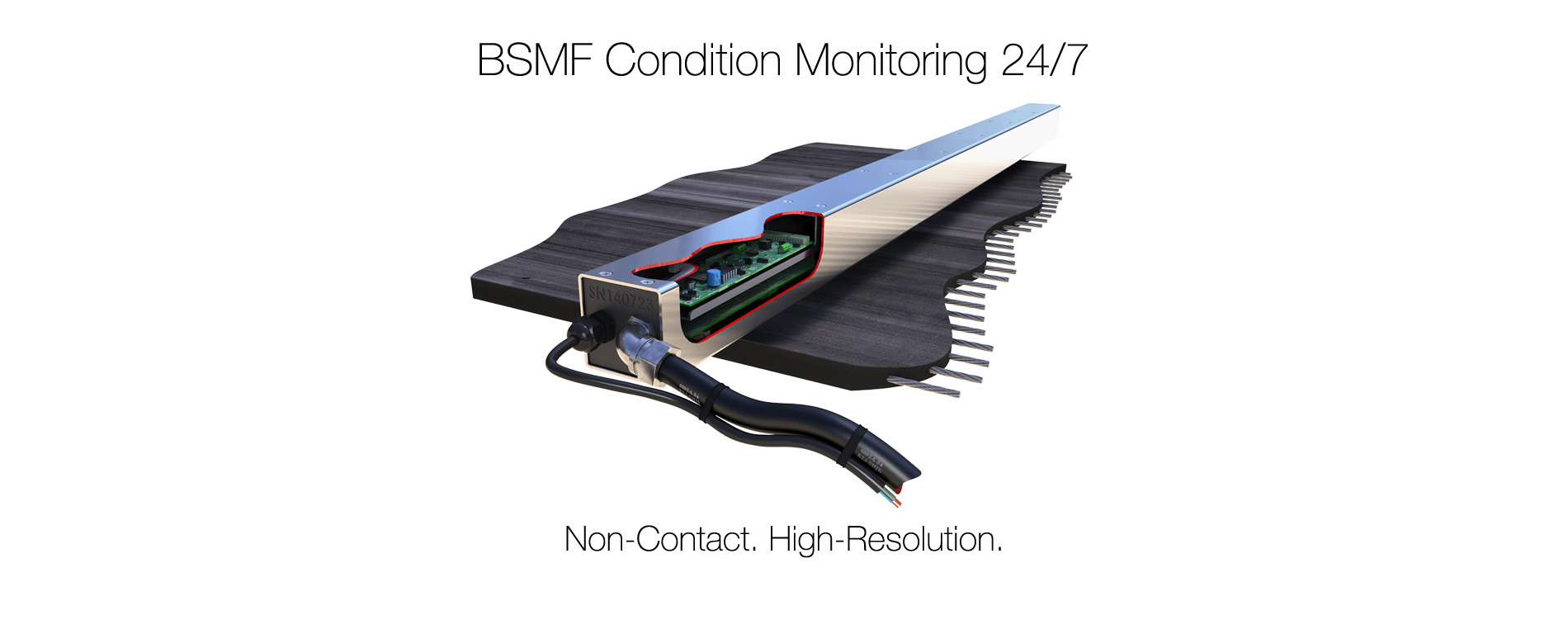
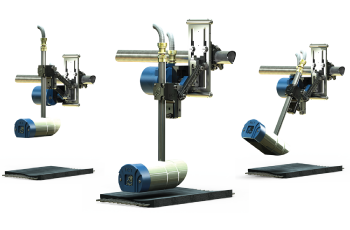
  • belt-guard-belt-scanner-condition-monitoring
    "Belt Scanner" on-line

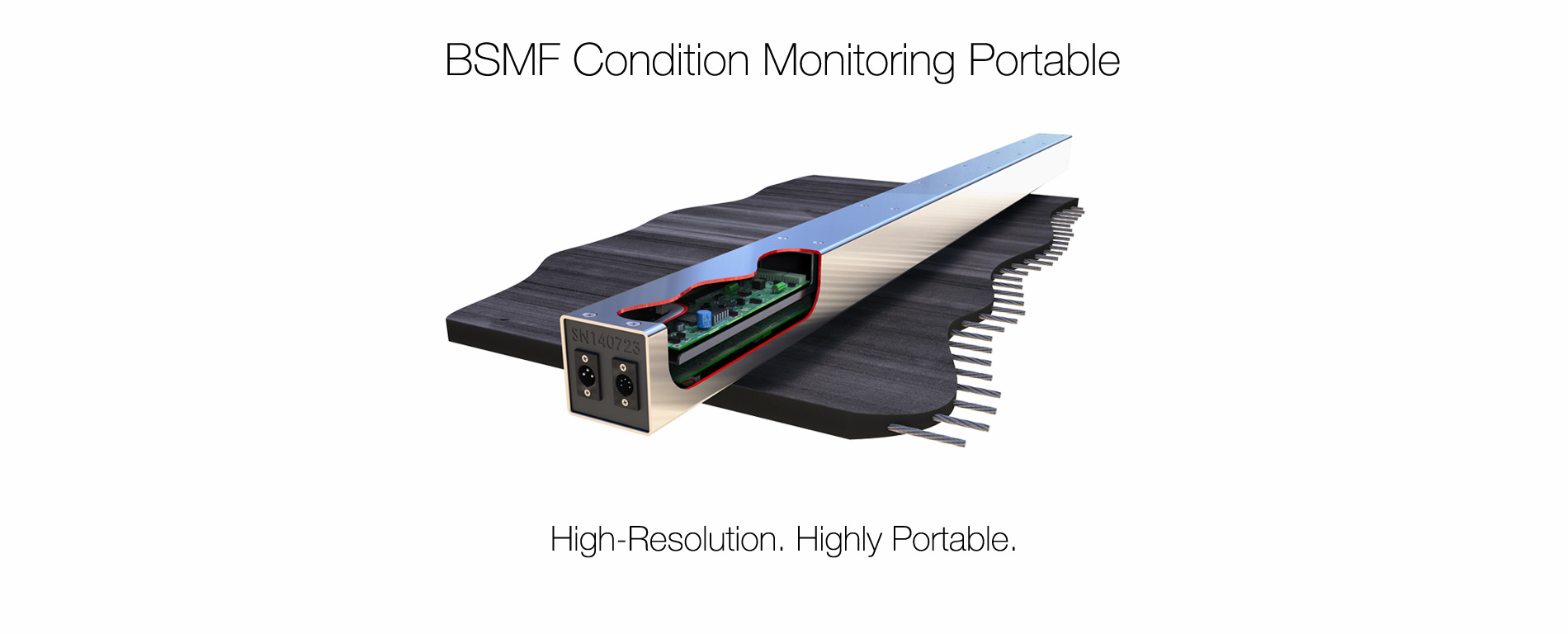
    carcass & splice condition
    monitoring
    for steel cord belting


    Hi-Resolution Roller Sensor
    Automatic Belt Stabilisation24/7 On-Line Monitoring

    Remote Data Download
    Simple Intuitive Analysis
    Small Data File Size
    Patented Technology

Belt Guard® Conveyor Belt Monitoring and Condition Monitoring Systems

For more than 30 years, Beltscan has been providing the materials handling industry with conveyor belt monitoring and condition monitoring systems to help conveyor belt operators maximise the safe working life of their belting. The tradition continues with the Belt Guard range of NEW products.

Belt conveyors are a popular choice for transporting bulk materials over short to medium distances – say 50m to 50km.  The traditional conveyor belt employs a fabric tension member, however, for long haul and high throughput applications, stretch in this fabric tension member becomes an issue.  This led to the development of steel cord conveyor belting, where the tension member consists of a number of high tensile longitudinal ropes, or cords.  Steel cord belting is subject to a unique range of damage mechanisms.  However, like most plant, its safe working life can be maximised through the use of dedicated condition monitoring and conveyor belt monitoring techniques and damage prevention measures.

Non-invasive belt carcass and splice condition monitoring can provide a conveyor belt operator with essential information, necessary to drive an effective preventive maintenance program.  Early conveyor belt scanning techniques required a technician to travel to site with an equipment package, which allowed acquisition and analysis of belt condition data.  This technique is both expensive and unnecessary.  Modern techniques see the scanning equipment permanently fitted to the target conveyor and data either downloaded for analysis or used on-line for 24/7 belt protection.

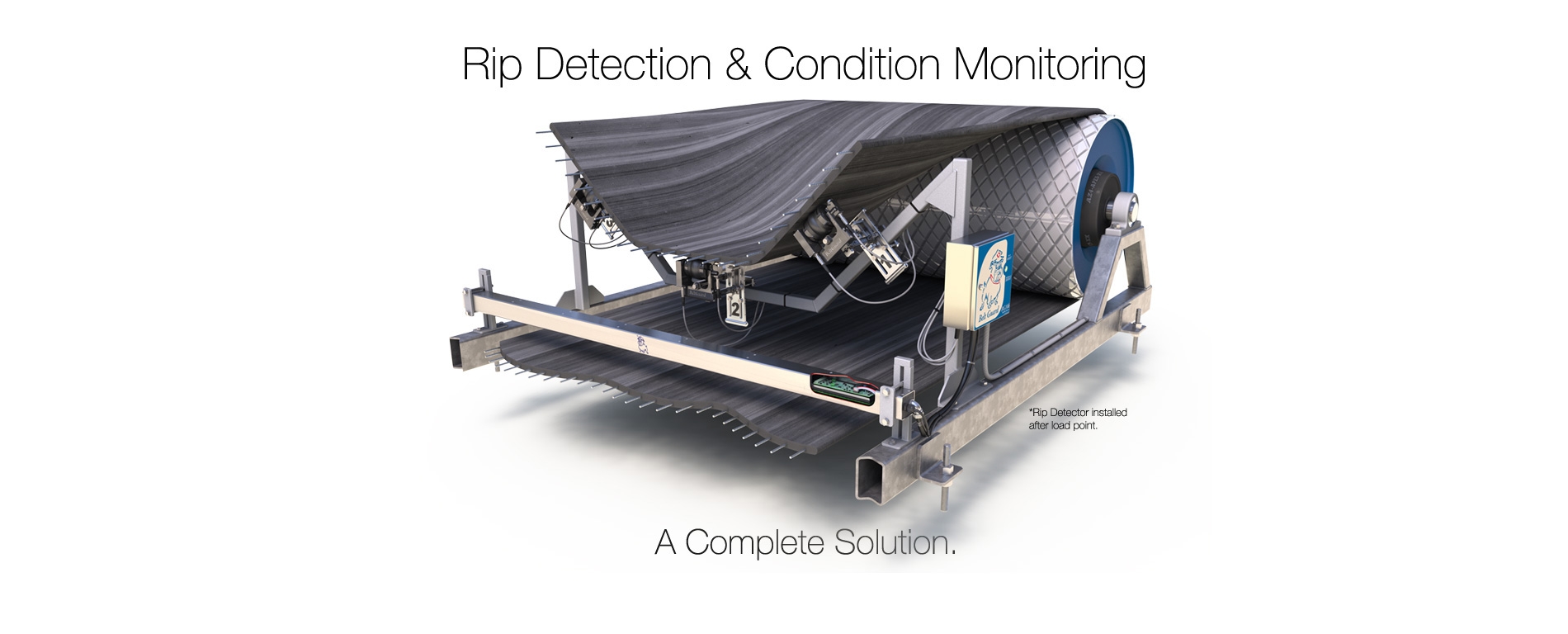
Equally, a rip detection device like the Belt Guard 10k can prove invaluable in minimising the consequential loss associated with a longitudinal rip in any steel cord belting.  There have been many rip detection devices developed over the years to achieve this.

The equipment necessary to achieve reliable and cost-effective belt protection can only be developed after years of practical experience.  This development must also be linked to state-of-the art data capture and transfer technologies, which means it must be upwardly flexible.

The BELT GUARD range of products meets all of these requirements 

This website contains information which is critical to any user of conveyor belting.